Research describes addiction as a chronic condition and recovery as a long-term, nonlinear process. People often need repeated opportunities for support, re-engagement, and connection over time, not only a single treatment episode.
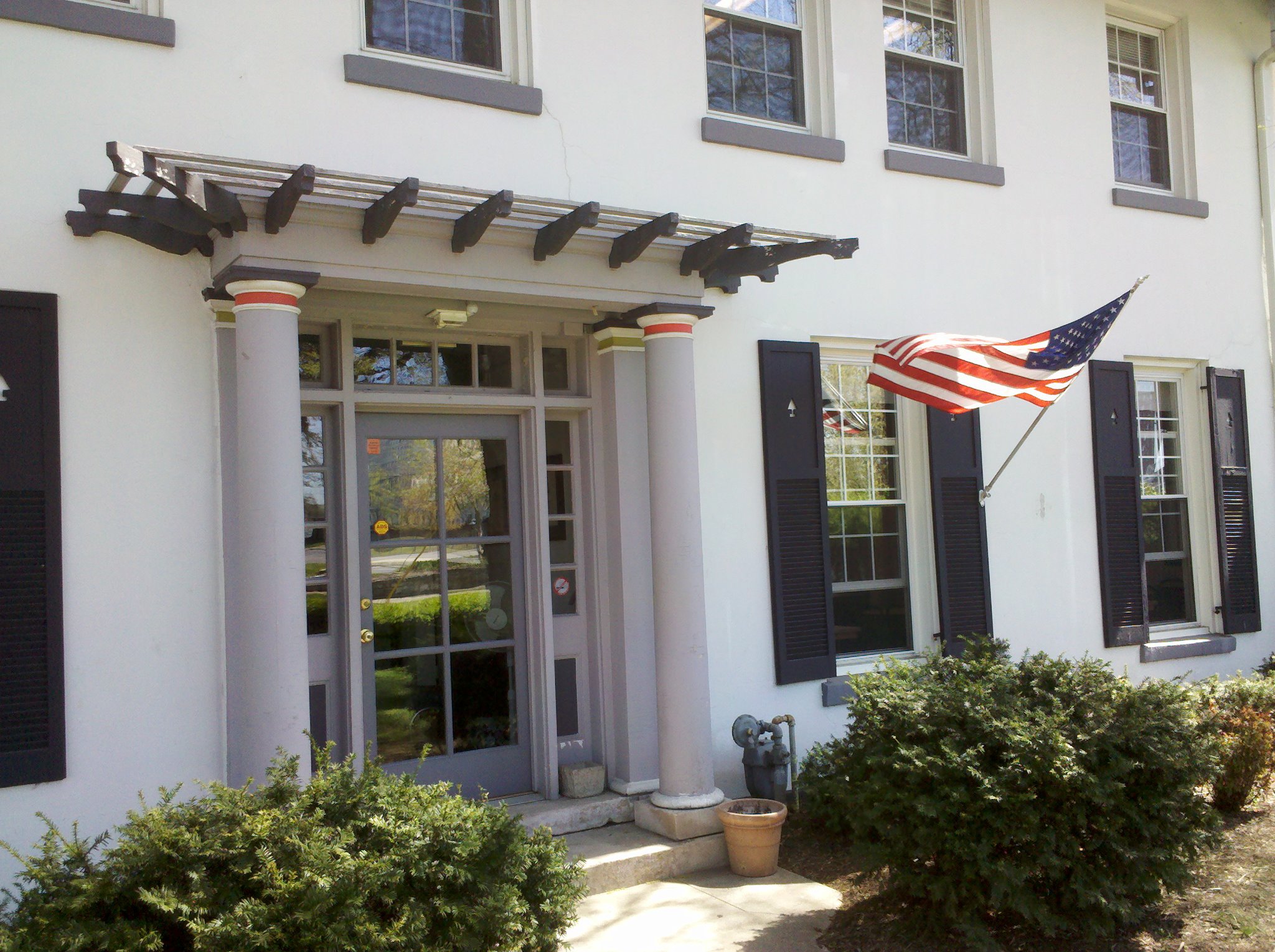
Friendship House is built around that reality. As a recovery community center, 202 offers a steady, low-barrier place to attend meetings, meet with sponsors and peers, celebrate milestones, ask questions, and reconnect after setbacks.
Daily AA and Al-Anon meetings, fellowship space, workshops, study groups, sober events, and resource connections all support the same goal: helping people stay connected long enough for recovery to take root and continue.
Research on mutual-help programs such as AA also shows that continued participation can support long-term abstinence and, in many cases, performs as well as or better than professional therapies for alcohol use disorder.
Research basis
- Kelly, J. F. (2022). Sustaining Successful Remission and Recovery [Presentation]. Massachusetts General Hospital. View source
- Kelly, J. F., Humphreys, K., & Ferri, M. (2020). Alcoholics Anonymous (AA) and other 12-step programs for alcohol use disorder. Cochrane Database of Systematic Reviews, 2020(3), CD012880. View source
- Vilsaint, C. L. (2024, November 12). How recovery science can dismantle health inequities [Conference presentation]. Cumberland Heights Foundation, Nashville, TN.